A Battery Supplier in Kerala usually gets calls only after the problem starts. The inverter begins beeping during heavy rain, the lights go off for longer than expected, or the battery that worked fine last month suddenly gives less backup. By then, most families want a quick answer. But battery backup is better checked before monsoon, not in the middle of it.
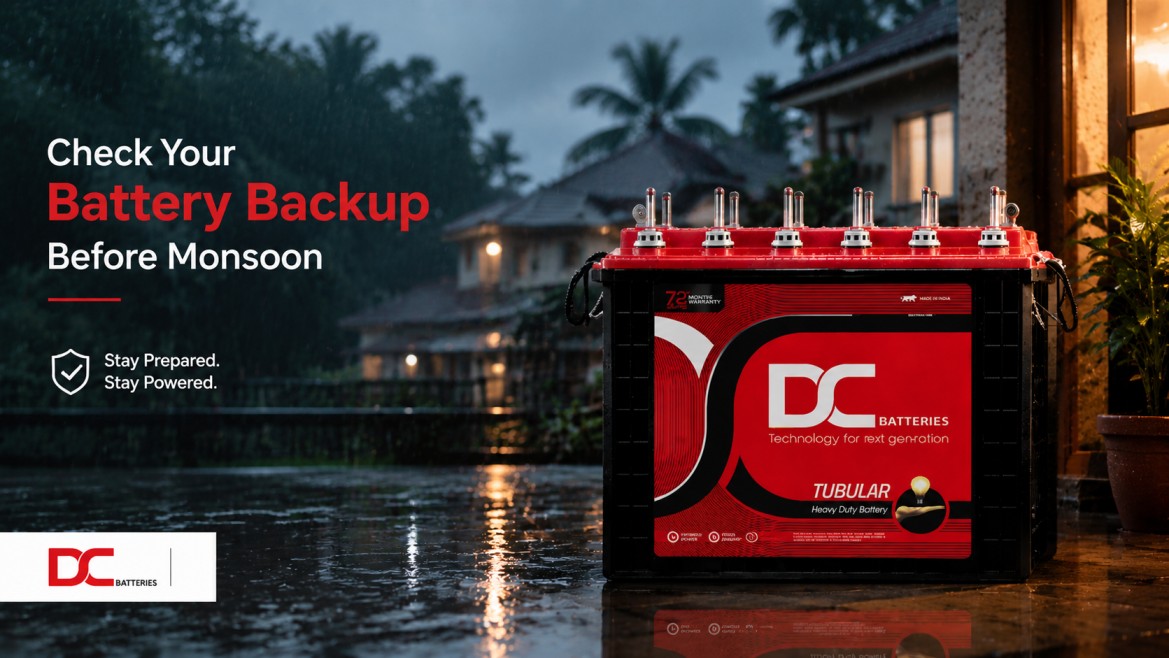
Kerala’s rainy season puts a different kind of pressure on home power systems. It is not just rain. There is moisture, damp walls, voltage fluctuation, repeated power cuts, and less time for the battery to recharge between outages. In many homes, the inverter is expected to run fans, lights, Wi-Fi, mobile charging, CCTV, and sometimes a work-from-home setup too. That is a lot of responsibility for one battery.
This is why a simple pre-monsoon battery check can save a lot of stress later.
First, Check What You Really Need During A Power Cut
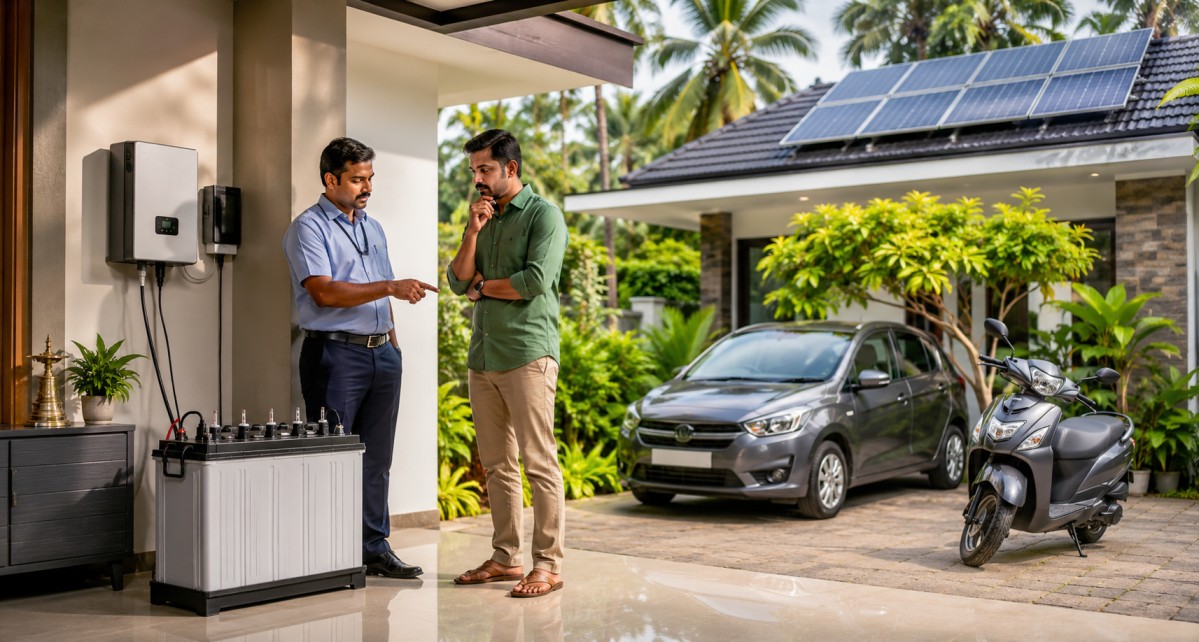
Most people ask for the Best Battery for Inverter, but they often miss one basic step. They do not check the actual load at home.
One house may need only two fans, three lights, and Wi-Fi. Another may need CCTV, TV, a laptop, mobile charging, and extra lights for elderly family members. A shop may need billing machines and payment systems too. These are different backup needs.
So, before buying a new battery or replacing an old one, list the appliances that must run during a power cut. This gives a clearer idea of what battery capacity is actually useful. Otherwise, the battery may look fine on paper but fail to support the home properly during rain.
Monsoon Power Cuts Are Not Always Predictable
In normal weather, a short power cut may not feel like a big issue. During monsoon, things can change quickly. Power may go for 20 minutes, come back for some time, and then go again. In some areas, the cut may last longer because of rain, trees, line faults, or local supply issues.
This kind of pattern affects battery backup.
If the battery does not get enough time to charge fully, the next outage starts with less stored power. The family may feel the battery has become weak. Sometimes that is true. But in many cases, the charging cycle is incomplete.
A reliable Battery Supplier in Kerala should help users understand this difference instead of only suggesting a new battery immediately.
Battery Placement Matters More During Rain
Many inverter batteries are kept in corners that look convenient but are not ideal.
Under the staircase. Near a damp wall. Inside a closed cabinet. Close to a window where moisture enters. These places may not create trouble in dry weather, but monsoon can expose the weakness.
Moisture can affect terminals and cable connections. Poor airflow can increase heating during charging. A closed space can make inspection difficult when service is needed.
The battery should be kept in a dry, ventilated, and easy-to-reach place. It should not sit directly on a wet floor or near any area where rainwater can enter.
Even a good product from a Battery Manufacturer in Kerala needs the right surroundings to perform well.
Tubular Batteries Still Make Sense For Many Homes
For regular home backup, tubular batteries for inverter use are still a practical choice. They are built to handle repeated charging and discharging better than many basic battery options. That makes them useful in areas where power cuts happen often.
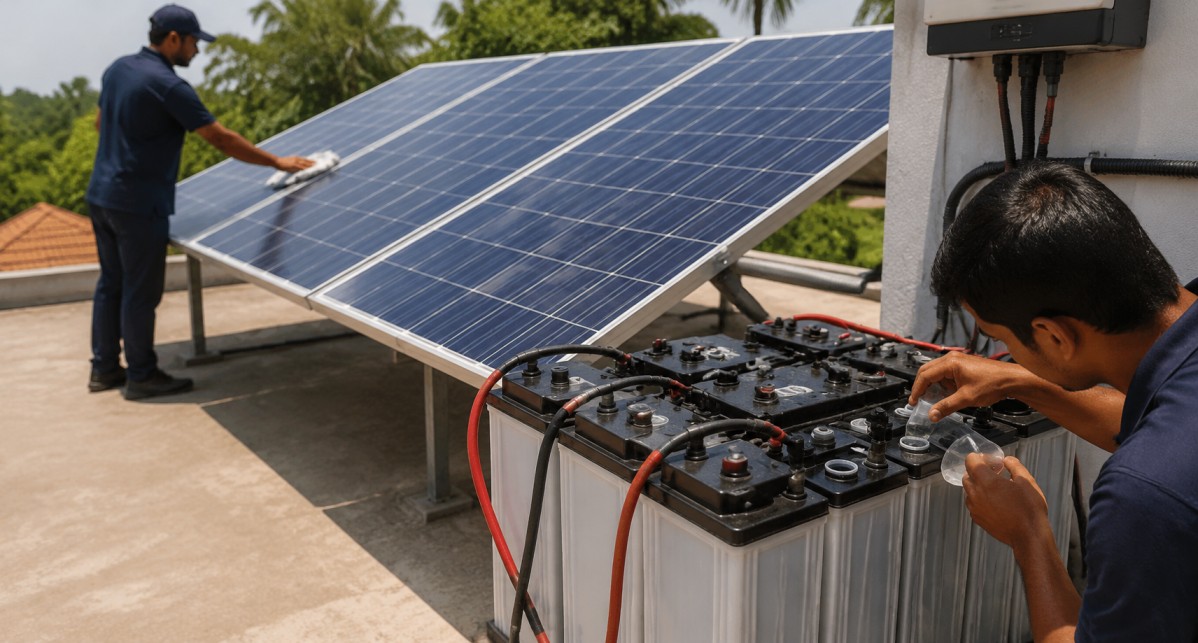
But tubular batteries also need care. Water level, charging pattern, ventilation, terminal condition, and load all matter. If these points are ignored, backup life can drop faster than expected.
So, when choosing a Tubular Battery supplier, do not ask only about price and warranty. Ask about capacity, maintenance, charging time, home load, and service support too.
That one extra conversation can prevent a wrong purchase.
Palakkad Homes Should Not Wait For The First Failure
In Palakkad, homes deal with both heat and monsoon moisture. Summer can stress the battery through high temperature. Monsoon can add dampness, repeated outages, and heavier indoor power use.
This mix makes early checking important.
If your inverter has started beeping more often, backup has reduced, or charging feels slower, do not wait for the battery to fail completely. It is better to get the system checked before the rains become heavy.
For families looking for the Top Battery Supplier in Palakkad, local guidance can help. A supplier who understands Kerala conditions can suggest a better battery match for your home, not just a model that is available in stock.
What Should You Check Before Monsoon?
You do not need to wait for a major fault. A few simple checks can tell a lot.
Check whether the battery is charging properly. Notice how long the backup lasts. Look for corrosion near terminals. Make sure the cables are tight. If it is a water-based battery, check the water level as advised. Also, see whether the battery area is dry and ventilated.
If your home power use has increased over the last few years, the old battery may no longer be enough. Many homes now run more devices than before. Wi-Fi, laptops, CCTV, mobile charging, and smart TVs have become normal needs.
So, the battery should match your current lifestyle, not your old load.
How DC Batteries Helps
At DC Batteries, we focus on practical backup needs for Kerala homes, shops, and small businesses. The goal is not only to provide a battery, but to help users choose the right solution for their actual power-cut pattern.
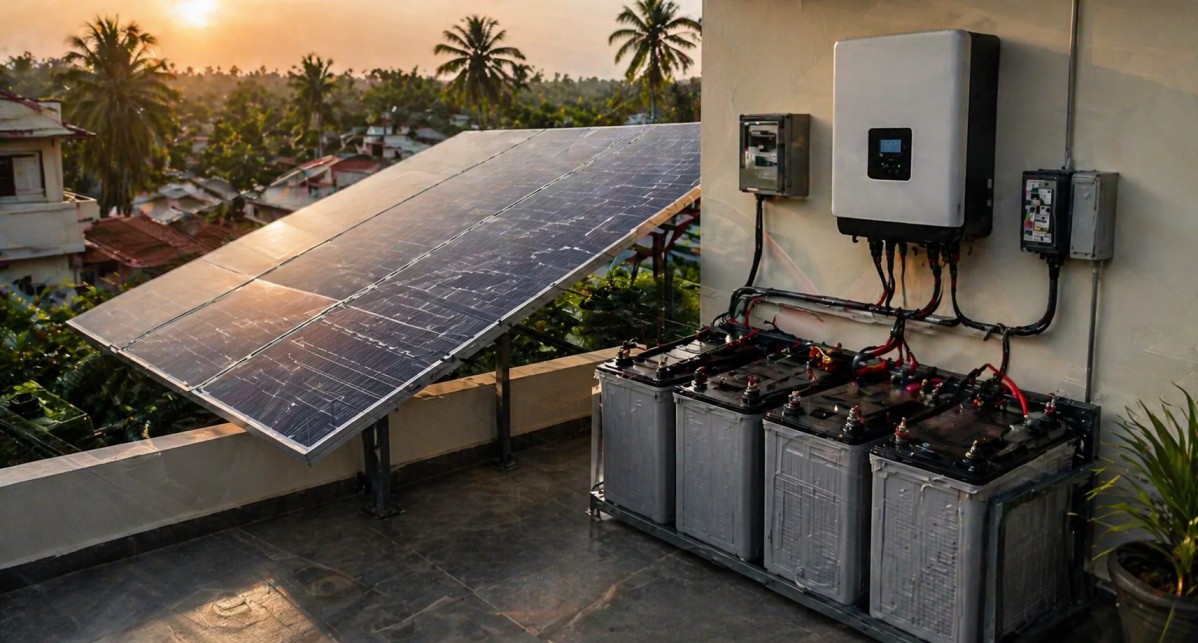
A home facing short and repeated cuts may need different planning from a home that faces long outages. A shop needs different backup from a family home. A solar user needs different battery support from a normal inverter user.
As a trusted Battery Supplier in Kerala, DC Batteries helps users look at load, backup time, charging condition, battery type, placement, and service support before making a choice.
Because the right battery is not just the one that fits the inverter.
It is the one that fits the way you use power.
Final Thoughts
Monsoon battery problems often start with small signs. Lower backup, slow charging, repeated inverter alarms, terminal corrosion, or weak performance during frequent cuts should not be ignored.
If you check these early, you can avoid bigger trouble later.
Whether you need the Best Battery for Inverter, a tubular battery, solar battery support, or guidance from a reliable Battery Manufacturer in Kerala, planning before monsoon is always better than rushing during a power cut.
For Kerala homes, good battery backup is not just about comfort.
During heavy rain, it becomes peace of mind.
Frequently Asked Questions
1. Why Should Kerala Homes Check Their Battery Before Monsoon?
Kerala homes should check their battery before monsoon because rain, moisture, voltage changes, and repeated power cuts can put extra pressure on inverter backup systems.
2. What Is The Best Battery For Inverter Use At Home?
The Best Battery for Inverter use depends on your home load, required backup time, inverter compatibility, charging pattern, and maintenance preference. One battery size cannot suit every home.
3. Can Moisture Damage An Inverter Battery?
Moisture can affect terminals, cables, and nearby electrical connections. That is why the battery should be kept in a dry and ventilated area.
4. Are Tubular Batteries Good For Kerala Homes?
Yes, tubular batteries for inverter use are a practical option for many Kerala homes, especially where power cuts happen often. They still need proper charging, ventilation, and maintenance.
5. When Should I Replace My Inverter Battery?
You may need replacement if backup drops sharply, charging takes too long, the inverter gives repeated alarms, terminals corrode badly, or the battery is very old.
6. Why Choose DC Batteries As A Battery Supplier In Kerala?
DC Batteries helps users choose inverter and solar battery solutions based on real backup needs, local conditions, battery type, load, placement, and service support.